
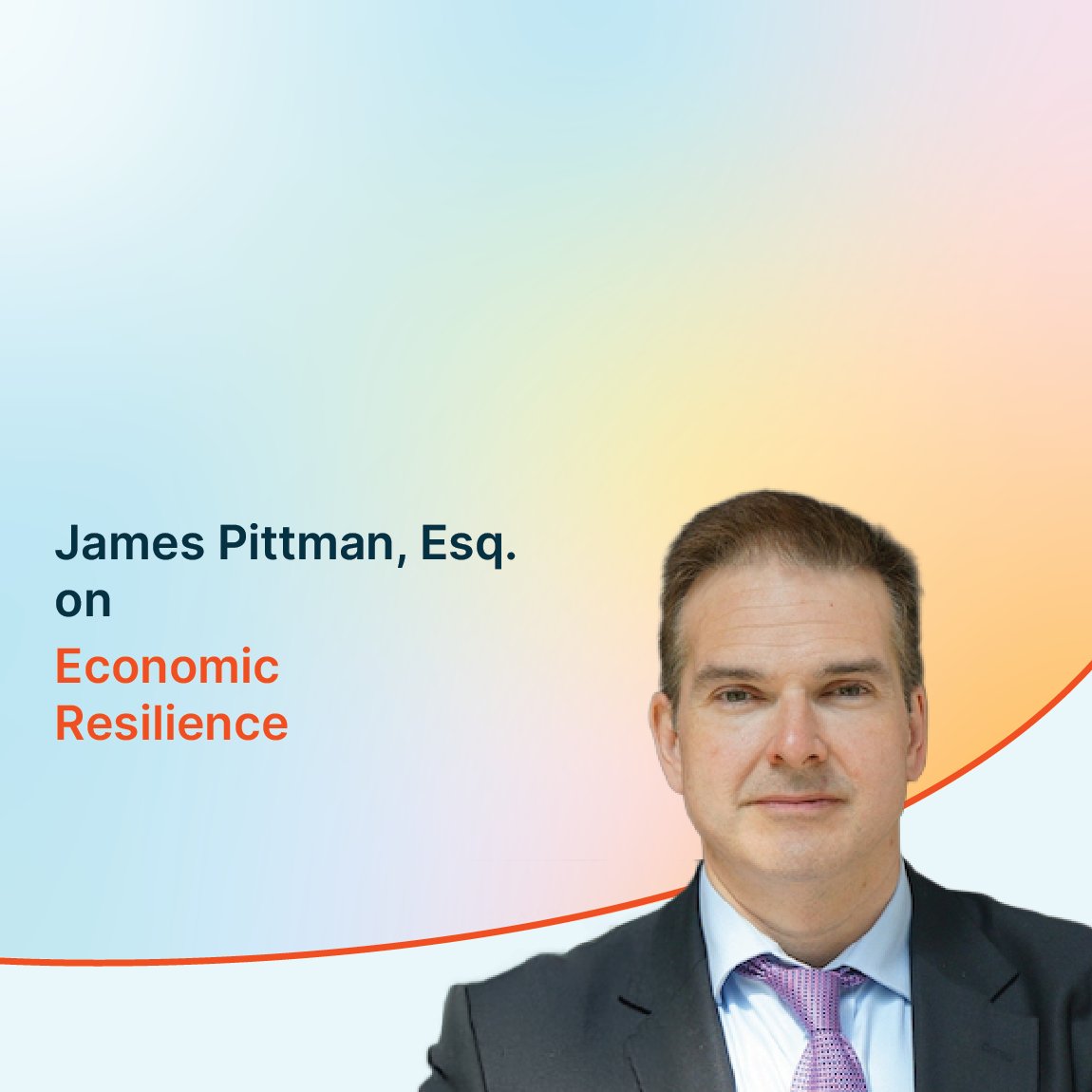
Economic uncertainty is no longer a temporary disruption. For law firms, it has become a structural part of the operating environment. As legal demand fluctuates and cost pressures persist, firm leaders are planning with less predictability than in the past. Recent analysis from Thomson Reuters points to uneven demand and broader economic pressures as key forces reshaping how firms approach strategy and financial management.
Rising costs, changing client expectations, and uneven demand have made it harder to plan with confidence. But some firms are entering 2026 feeling steadier than others. Not because they have perfect visibility into the future—but because they have built practices that can adapt as conditions change.
Economic resilience is not about cutting expenses at the first sign of trouble or bracing for worst-case scenarios. It is about creating clarity, control, and flexibility so your firm can make better decisions, even when the path ahead is not perfectly clear.
Here is what economically resilient law firms are prioritizing in 2026—and why it matters.
Clear financial visibility over hindsight reporting
Resilient firms start with visibility. Not quarterly reports. Not year-end surprises.
Because when leaders can see what is happening now, they can act before small issues turn into bigger ones.
Many firms still rely on backward-looking financial data to guide forward-looking decisions. By the time reports are reviewed, opportunities have passed, and risks have already taken shape. Economically resilient firms take a different approach. They prioritize ongoing visibility into cash flow, revenue trends, and expenses, the foundation of effective financial management for law firms, so leadership can act sooner and with more confidence.
A practical example: Instead of waiting until the end of the month to understand performance, resilient firms know—halfway through the month—whether collections are trending ahead or behind plan. If cash flow is tightening, leadership can delay a non-urgent expense or adjust billing cadence before it becomes a larger issue.
That kind of visibility turns financial conversations from reactive clean-up into proactive decision-making.
In short, clarity today prevents pressure tomorrow.
Predictable revenue instead of revenue spikes
Unpredictable revenue creates risk, even for profitable firms. When cash flow fluctuates month to month, planning becomes difficult, and growth decisions feel heavier than they should.
Resilient law firms are prioritizing predictability over spikes. They focus on building revenue models that smooth cash flow management and reduce surprises—for the firm and for clients.
A common shift is rethinking how and when the firm bills. Instead of sending large, irregular invoices at the end of a matter, resilient firms move repeat work and long-running engagements toward more structured billing arrangements. For example, they may bill on a consistent monthly schedule or use recurring payments for ongoing services.
The firm gains steadier cash flow. Clients avoid unexpected, high-dollar invoices that often lead to delays or disputes.
Over time, predictability creates breathing room—financially and operationally—allowing leadership to plan ahead rather than manage around uncertainty. In short, predictable revenue gives firms more room to make thoughtful decisions instead of rushed ones.
Disciplined spending that supports growth
Economic resilience does not mean shrinking the firm or avoiding investment. It means understanding where money is going—and why.
Resilient firms approach expenses with intention.
They regularly evaluate costs, a core part of effective financial planning, to ensure spending aligns with firm priorities and long-term goals. That does not require cutting everything back. It requires clarity around what delivers value and what no longer serves the firm.
One firm leader described reviewing expenses quarterly and asking a simple question: If we were choosing this today, would we still buy it? In practice, that meant identifying tools that overlapped in functionality and consolidating them—not to reduce capability, but to reduce complexity.
The savings were then redirected toward areas that supported growth, such as staffing or client-facing improvements. This kind of discipline gives firms options. Leaders know where they can invest, where they can pause, and where they can adjust if conditions change. Control over spending helps protect margins without slowing momentum.
When firms understand their financial position, they are better positioned to focus on how the business actually operates day to day.
Flexible operations that adapt to change
Rigid operations create risk. When workflows depend on manual workarounds or disconnected systems, even small changes can cause disruption.
Economically resilient firms are prioritizing flexibility in how they operate. They design processes that can scale up or down, adjust to changes in demand, and support teams without unnecessary friction.
A practical example: When workload increases in one practice area and slows in another, resilient firms are not scrambling to reinvent workflows. Their intake, billing, and reporting processes are consistent across the firm, making it easier to reallocate resources or adjust staffing without disrupting clients or overwhelming internal teams.
Flexibility also supports people.
Teams are better equipped to handle changes in volume or responsibility without burning out. Clients experience continuity, even as conditions shift behind the scenes. Over time, that operational stability becomes a key part of economic resilience.
Technology that supports long-term resilience
Technology decisions play a significant role in economic resilience—but only when those decisions are made with long-term outcomes in mind.
Resilient firms are moving away from patchwork solutions that solve isolated problems. Instead, they prioritize platforms that connect financial and operational data, reduce complexity, and support informed decision-making.
Rather than pulling reports from one system, reconciling payments in another, and tracking expenses somewhere else, resilient firms work from a connected view of the business. Leadership can see how work in progress, billing, and payments relate to one another—without exporting spreadsheets or manually stitching together data.
This connected approach saves time, reduces errors, and improves confidence in the numbers.
More importantly, it gives firm leaders a clearer picture of performance, so decisions are based on facts rather than assumptions.
Confidence comes from control, not certainty
No firm can predict exactly what the economy will bring in 2026. But resilient firms are not waiting for certainty before they act.
Instead of delaying decisions until conditions feel “clearer,” they move forward with guardrails in place. They hire carefully, invest intentionally, and monitor performance closely—knowing they can adjust if conditions change.
That ability to course-correct early allows firms to move with confidence, even in uncertain environments.
Together, these priorities—financial visibility, predictable revenue, disciplined spending, flexible operations, and connected technology—create control.
And control is what allows firms to move forward with confidence.
At 8am™, we believe economic resilience is built through connection: between financial insight, operational clarity, and the people running the firm. When those pieces work together, firms are better equipped to navigate uncertainty and keep moving forward, no matter what the economy brings.
Learn more about 8am legal solutions or contact us today to see how your firm can thrive with a connected platform.